$1,500 or more tier
What car insurance costs in Washington, D.C.
The District's average premium compared with the nation's, what D.C. law requires you to carry, and the practical ways to bring the bill down.
By Guardbrook Editorial Team Updated 6 min read
At a glance
- Average yearly spend, 2023
- $1,677
- Change from 2022
- +12%
- Minimum liability limits
- 25/50/10
- Uninsured drivers, 2023
- 23.1%
Bottom line
Insured cars in the District cost an average of $1,677 in 2023, 31% more than the U.S. average of $1,282, and full coverage averaged $1,818. Collision is the standout: at $664 it was the highest of any state or D.C. in the NAIC's 2023 table. D.C. requires 25/50/10 liability, rising to 50/100/20 on October 1, 2027, plus uninsured motorist coverage, and with about 23% of drivers uninsured, that second piece earns its keep.
The Washington, D.C. bill, line by line
Guardbrook
Average car insurance bill, 2023
Washington, D.C.
Liability$891
Collision$664
Comprehensive$264
Full coverage$1,818
Average spend per car$1,677
Compared with the U.S.+31%
Uninsured drivers23.1%
Average yearly premiums per insured car (NAIC); uninsured share: Insurance Research Council estimate. Averages, not a quote. Where these numbers come from
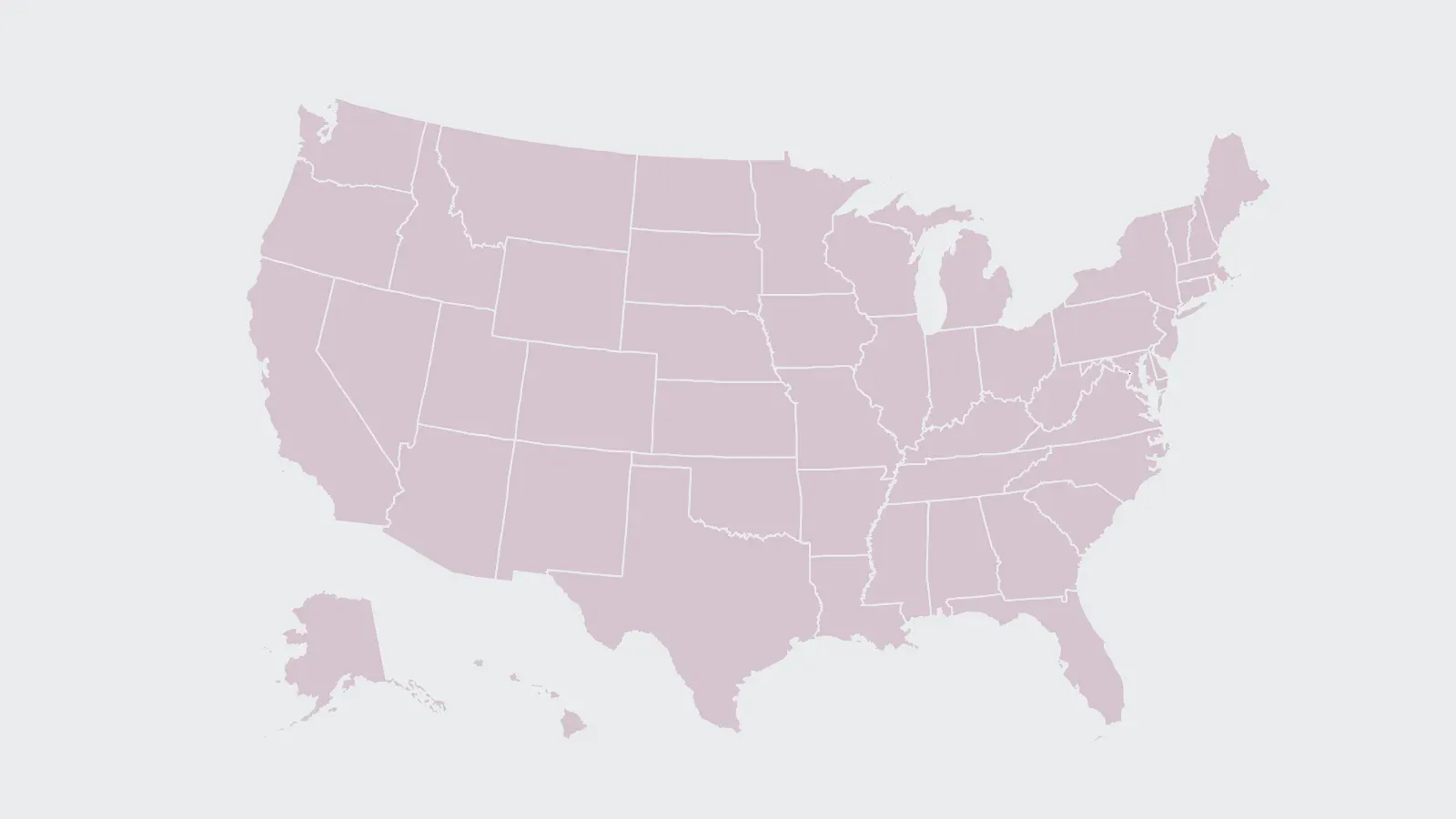
Price tier on the map
$1,500 or more a year
- Minimum liability limits
- 25/50/10
- Rises to 50/100/20 on Oct. 1, 2027 (D.C. Law 26-155); uninsured motorist 25/50 plus $5,000 property damage; PIP optional
- Credit-based insurance scores
- Allowed, as one of several factors
- DISB consumer guidance on credit-based insurance scores
- Regulator
- D.C. Department of Insurance, Securities and Banking
The District's premium, line by line
The National Association of Insurance Commissioners (NAIC) publishes average premiums for every state and the District, built from what insurers really charged. Its newest figures are for 2023. That year the average D.C. expenditure per insured car was $1,677, up 12% from $1,501 in 2022. Expenditure mixes liability-only cars with fully covered ones; a car carrying liability, collision and comprehensive averaged $1,818.
| Coverage | Washington, D.C. | United States |
|---|---|---|
| Liability | $891 | $737 |
| Collision | $664 | $464 |
| Comprehensive | $264 | $238 |
| All three (combined premium) | $1,818 | $1,438 |
| Average expenditure | $1,677 | $1,282 |
All three lines run above the national average, but not by the same amount. Comprehensive is about 11% higher and liability about 21% higher. Collision, the coverage that repairs your own car after a crash, is about 43% higher, and no state's 2023 average topped it. The NAIC report gives the numbers, not the reasons. What you pay also depends on your record, your car and where in the city you park it; see how your address affects the price.
What D.C. law makes you carry
A policy on a car registered or principally garaged in the District must include third-party liability of at least $25,000 per injured person and $50,000 per accident, and $10,000 for property damage. That is written 25/50/10. D.C. Law 26-155, the Motor Vehicle Insurance Modernization Amendment Act of 2026, raises the minimums to 50/100/20 from October 1, 2027, adds enhanced underinsured motorist protection that is included unless you waive it in writing, and schedules further increases every ten years from 2037.
- Uninsured motorist coverage is built in. D.C. Code § 31-2406 says policies shall include it at $25,000 per person and $50,000 per accident for injuries and $5,000 for property damage, with a $200 deductible on the property damage part. You can ask for more, up to 100/300 for injuries and $25,000 for property.
- Underinsured motorist coverage must be offered, in amounts up to your uninsured motorist limits. If you turn it down, the insurer doesn't have to offer it again.
- Personal injury protection is optional in D.C., but every insurer must offer it. It pays your own injury costs after a crash, within the policy's terms.
The Insurance Research Council estimates that 23.1% of District drivers were uninsured in 2023, one of the highest shares in the country. That makes the uninsured and underinsured lines worth pricing at higher limits rather than cutting; our guide to limits and deductibles covers the trade-off.
Who signs off on D.C. rates
Private passenger auto rates must be filed with the Commissioner of the Department of Insurance, Securities and Banking (DISB) and must be adequate, not excessive and not unfairly discriminatory. The Commissioner has 90 days after a filing to act. If no decision comes in that window, the rate is deemed approved; if the Commissioner thinks it may be excessive or unfairly discriminatory, the insurer gets notice and a chance for a hearing.
DISB's consumer guidance says the District lets insurers use a credit-based insurance score in auto pricing, but only as one factor among several, next to things like where you live, the driver's age and the vehicle. More on how credit-based scores move a premium.
If insurers turn you down
The District of Columbia Automobile Insurance Plan shares drivers who can't get coverage in the regular market among the insurers licensed to write auto policies in D.C. You need a valid D.C. driver's license and a car registered in the District, and the way in is through an insurance agent or broker. Expect to pay more than in the regular market; our page on assigned risk plans explains how to use one and how to move back out.
How to pay less in the District
- Price the same coverage at several insurers. Rates filed with DISB still differ by company. Line up two or three quotes with matching limits and deductibles.
- Look hard at collision. It is the costliest line relative to the U.S. If your car is older and worth little, compare the premium with what a claim could pay; the deductible break-even calculator helps with the deductible choice.
- Drive less, pay less. If the car sits most days, ask about low-mileage pricing or a pay-per-mile policy, where an insurer offers one.
- Call DISB if something goes wrong. The department's main line is (202) 727-8000, weekdays 8:15 a.m. to 4:45 p.m., and its website takes consumer complaints.
Questions drivers ask
Why is car insurance in Washington, D.C. so expensive?
NAIC data for 2023 show every coverage line above the U.S. average, led by collision at $664 against $464 nationally. The report doesn't give causes; your own price depends on your record, car and address.
Is uninsured motorist coverage required in D.C.?
Yes. D.C. Code § 31-2406 has policies include uninsured motorist coverage of at least $25,000 per person, $50,000 per accident and $5,000 for property damage.
Do I need PIP in Washington, D.C.?
No. Insurers must offer personal injury protection, but buying it is your choice.
Who regulates car insurance in the District?
The Department of Insurance, Securities and Banking (DISB). Its main number is (202) 727-8000.
Where the figures come from
- NAIC — Auto Insurance Database Report 2022/2023 (state average premiums and expenditures)
- D.C. Code § 31-2406 — Required motor vehicle insurance, uninsured and underinsured motorist coverage
- Council of the District of Columbia — D.C. Law 26-155, Motor Vehicle Insurance Modernization Amendment Act of 2026
- D.C. Code § 31-2703 — Making of rates
- DISB — How an insurance company can use your credit score to determine your premium
- DISB — A Consumer's Guide to Auto Insurance (contact details)
- AIPSO — District of Columbia Automobile Insurance Plan
- Insurance Information Institute — Uninsured motorists (Insurance Research Council estimates)
Facts on this page were checked against these sources on October 26, 2026. NAIC averages are for 2023, the latest year the NAIC has published by state.
Have your rate shopped
Averages can't price your car and your record. Tell us the basics of your policy and Guardbrook passes them to licensed insurance agents and insurers who can quote it; you decide whether to switch.
- 1 Your cars, drivers and current policy.
- 2 How agents can reach you, and your consent.
- 3 A licensed insurance agent or insurer contacts you with quotes. Your policy stays as it is until you decide to switch.
Guardbrook is not an insurance company or agency and doesn't sell, quote or bind policies. You pay Guardbrook nothing; the licensed insurance agents and insurers who contact you set their own prices and terms. How we make money.
Read next
-

Price factor
Location and ZIP code
2023 state averages ran from $808 to $1,864 per car. Why your address matters and where ZIP codes are barred.
-

Shopping guide
Assigned-risk plans
Turned down twice in Texas or Maryland? How state plans place you, what they cover and how to get back out.
-

Way to save
Pay-per-mile insurance
$45 plus 6¢ a mile is $93 at 800 miles vs. a $150 policy; it breaks even at 1,750 miles a month.