High-risk drivers
Assigned-risk plans: car insurance when insurers say no
States set up ways to insure drivers the regular market won't. How the plans work, state by state examples, what they cover and cost, and how SR-22 filings fit in.
By Guardbrook Editorial Team Updated 7 min read
At a glance
- Also called
- The residual market
- Usually needed first
- Rejections by insurers
- Apply through
- A licensed agent
- Price
- Usually higher

Bottom line
If regular insurers won't sell you a policy, usually because of your driving record, your state's residual market is the fallback. In most states that is an automobile insurance plan that assigns you to an insurer; Florida and Hawaii use joint underwriting plans, North Carolina a reinsurance facility and Maryland a state fund. You normally need to show you were turned down (two insurers in Texas and Maryland) and apply through a licensed agent. Expect higher prices and basic coverage, and plan to return to the regular market as tickets and claims age off your record.
What the residual market is
The regular, or voluntary, market is every insurer choosing whom to cover. The residual market is what the states set up for drivers left over: a mechanism that makes coverage available to anyone legally entitled to it who can't get it through ordinary methods. Insurers writing auto coverage in the state take part, and in an assigned-risk plan the insurer you are assigned to issues the policy.
| Model | How it works | Examples |
|---|---|---|
| Automobile insurance plan | You are assigned to a participating insurer, which issues the policy at plan rates | Texas Automobile Insurance Plan Association (TAIPA); New York Automobile Insurance Plan; Massachusetts Automobile Insurance Plan (MAIP); California Automobile Assigned Risk Plan |
| Joint underwriting plan or association | A single association, whose members are the state's auto insurers, provides the coverage | Florida Automobile Joint Underwriting Association; Hawaii Joint Underwriting Plan |
| Reinsurance facility | Your insurer issues the policy, then cedes the risk to a state pool | North Carolina Reinsurance Facility |
| Placement facility | Every insurer must take part in placing drivers unable to get coverage | Michigan Automobile Insurance Placement Facility (MCL 500.3301) |
| State fund | A state-created insurer sells the coverage directly | Maryland Automobile Insurance Fund (Maryland Auto Insurance) |
Many of the plans, from Alabama and Arizona to California and Connecticut, are administered by AIPSO; Massachusetts' plan is run by Commonwealth Automobile Reinsurers under rules the Division of Insurance approves. Your state cost page names your state's plan and how to reach it.
Who qualifies, and how to apply
The plans exist for drivers the market has refused, so most ask for proof that you tried. The rules differ by state:
- Texas: you can buy through TAIPA after being turned down by two insurers.
- Maryland: MAIF takes residents turned down by at least two private insurers; call 800-492-7120.
- Connecticut and Maine: you must certify that you tried and failed to buy insurance in the state within the previous 60 days.
- Illinois: you must certify that you tried and failed to buy Illinois coverage within the previous 60 days, and hold or be eligible for a valid license.
- Massachusetts: companies that turn you down must explain why in writing, and you can't pick the company you are assigned to.
You almost always apply through an agent. In Georgia and Delaware any agent licensed for property and casualty insurance in the state can write plan business; in Illinois only agents and brokers can submit applications; in New York most licensed agents and brokers can place you, or you can call the plan at 212-943-5100. Washington's plan can be contacted directly or through an agent. Ask the agent to quote the plan alongside any non-standard insurers that might take you at higher premiums, which Georgia's insurance office names as the other option.
What the coverage includes, and what it costs
Plan coverage starts with what the law requires and doesn't always go much further:
- Texas: liability, PIP and uninsured motorist coverage, but not collision or comprehensive.
- New York: the legal minimums, with optional bodily injury liability up to 250/500, property damage liability up to $100,000, and collision and comprehensive up to $50,000.
- Maine: bodily injury and property damage liability, medical payments and physical damage coverage.
- Maryland: the state's comparison guide prices MAIF at the 30/60/15 minimum and at 100/300/100.
- North Carolina: the Facility reinsures standard coverages including bodily injury and property damage liability, medical payments and uninsured and underinsured motorist coverage.
On price, regulators are consistent: expect to pay more. Texas says TAIPA rates are higher than the regular market's, with surcharges for tickets and accidents, and New York's Department of Financial Services warns that Auto Plan premiums are generally higher. Massachusetts softens it: plan rates are filed and approved and generally higher than a company's regular rates, but the assigned company compares its own voluntary rate for you with the plan rate and charges the lower one.
If you need collision coverage for a financed car and the plan doesn't offer it, ask the agent about other routes before you sign a loan or lease. Our page on driving record explains which offenses weigh most on a price.
Where an SR-22 fits in
An SR-22 is not a type of insurance. It is a certificate your insurer files with the state to prove you carry the required liability coverage, and states demand it after certain offenses. Needing one doesn't by itself put you in the plan, but the record behind it can make regular insurers say no.
- New Hampshire, which doesn't require insurance for most drivers, may require proof on an SR-22 after any DWI, after leaving the scene of an accident or after a second reckless operation offense.
- Virginia requires an SR-22 filing for three years to reinstate a license and registration suspended for driving an uninsured vehicle.
- Florida doesn't require bodily injury liability of most drivers, but a driver who must file an SR-22 to get a license back has to certify bodily injury and property damage liability.
Getting back to the regular market
Plans are built as a bridge. In New York, the insurer that issues your plan policy must keep you for three years before it can non-renew, and the Department of Financial Services says you will usually be better off in the voluntary market once you can get a policy there. In Texas, the Department of Insurance says that after three years in TAIPA without tickets or accidents, your insurer must offer you a policy outside the plan at a lower price.
- Keep coverage continuous while you are in the plan. A gap on top of a poor record makes the next step harder.
- Note when each ticket, accident or conviction stops counting in your state, and set a reminder for that date.
- Ask for regular-market quotes at each plan renewal and when an item ages off, then compare them line by line with the plan price.
- Switch without a gap when a regular insurer accepts you; see switching insurers without a gap.
Questions drivers ask
What is an assigned-risk car insurance plan?
A state-backed way to get coverage when regular insurers turn you down. In most states the plan assigns you to a participating insurer, which must issue a policy at plan rates.
How do I get into my state's assigned-risk plan?
Usually through a licensed agent, after insurers have turned you down; Texas and Maryland look for two rejections. Your state cost page names the plan.
Is assigned-risk insurance more expensive?
Generally, yes. Texas and New York regulators both say plan prices are higher than the regular market's. In Massachusetts the assigned company charges the lower of its regular rate and the plan rate.
Is an SR-22 the same as assigned-risk insurance?
No. An SR-22 is a certificate an insurer files to prove you carry required liability coverage. Needing one doesn't by itself put you in an assigned-risk plan.
Where the figures come from
- Texas Department of Insurance — Auto insurance guide
- New York DFS — Auto Insurance resource center (Auto Plan)
- Massachusetts Division of Insurance — Massachusetts Auto Insurance Plan (MAIP) consumer guide
- Maryland Insurance Administration — A Consumer Guide to Auto Insurance
- N.C. Gen. Stat. § 58-37-35 — Reinsurance Facility functions
- Michigan Compiled Laws 500.3301 — Michigan Automobile Insurance Placement Facility
- Florida Automobile Joint Underwriting Association
- Georgia Office of Commissioner of Insurance and Safety Fire — Guide for Automobile Insurance
- New Hampshire DMV — Insurance requirements / SR-22
- Virginia DMV — Insurance requirements
- Florida Department of Highway Safety and Motor Vehicles — Insurance requirements
- Washington State Office of the Insurance Commissioner — What if I can't find auto coverage?
- Maryland Insurance Administration — Comparison Guide to Automobile Insurance Rates (August 2026)
- AIPSO — Illinois Automobile Insurance Plan
- AIPSO — Connecticut Automobile Insurance Assigned Risk Plan
- AIPSO — Maine Automobile Insurance Plan
- AIPSO — Georgia Automobile Insurance Plan
- AIPSO — Delaware Automobile Insurance Plan
- AIPSO — Plan sites (state automobile insurance plans)
Facts on this page were checked against these sources on October 26, 2026. Eligibility rules and plan coverage are set state by state; each state cost page names its plan with a direct link.
Read next
-
Price factor
Driving record
Tickets and at-fault crashes raise prices; OR and MD look back 3 years, CA Good Driver rates are 20%+ lower.
-

Shopping guide
State low-cost programs
California's 10/20/3 policy, New Jersey's $365 Medicaid policy, Hawaii's free minimums and Maryland's MAIF.
-
State cost
Texas
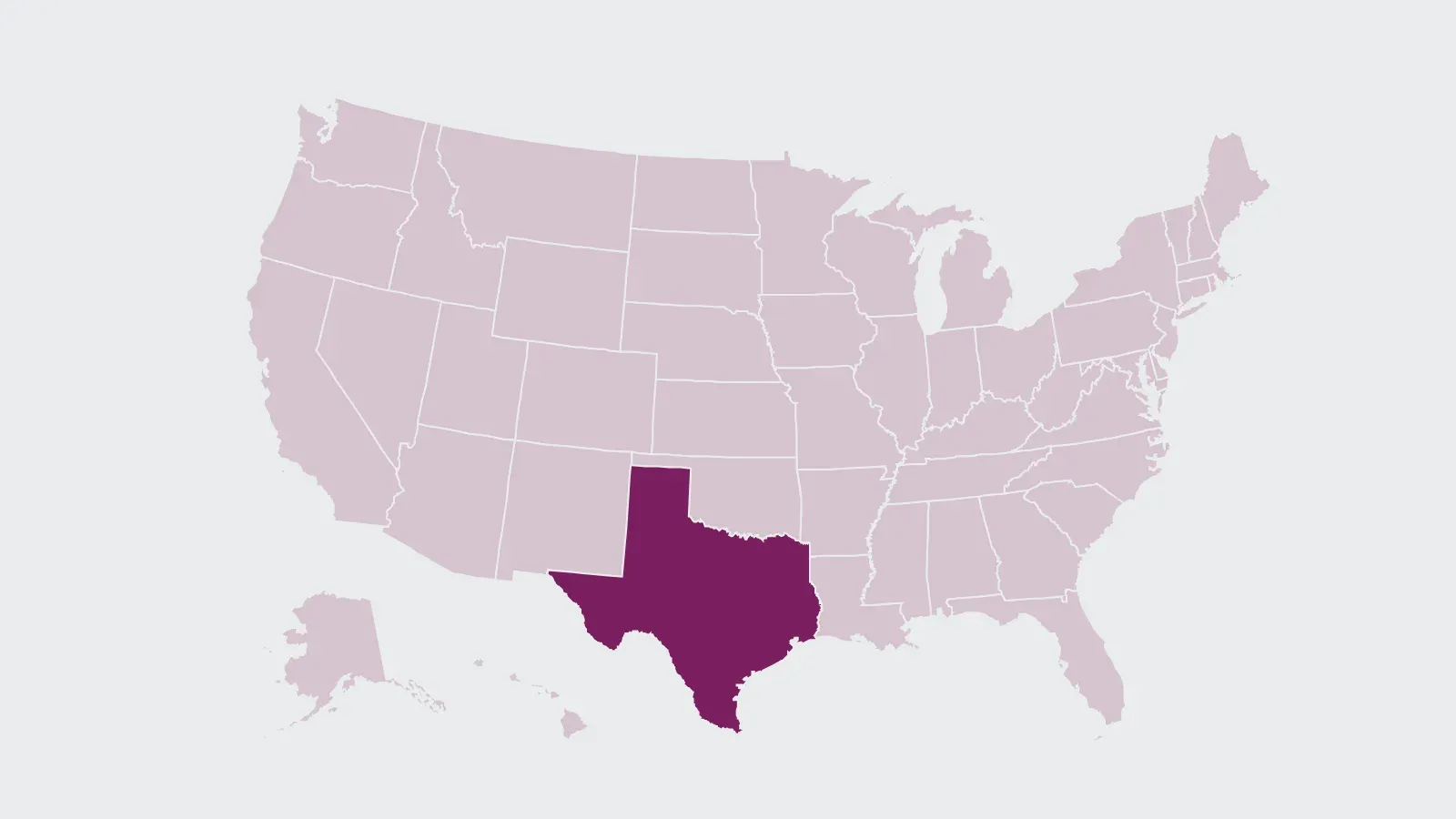
$1,429 average spend in 2023 (+11% vs. U.S.); full coverage $1,727; 30/60/25 minimum; PIP included.